
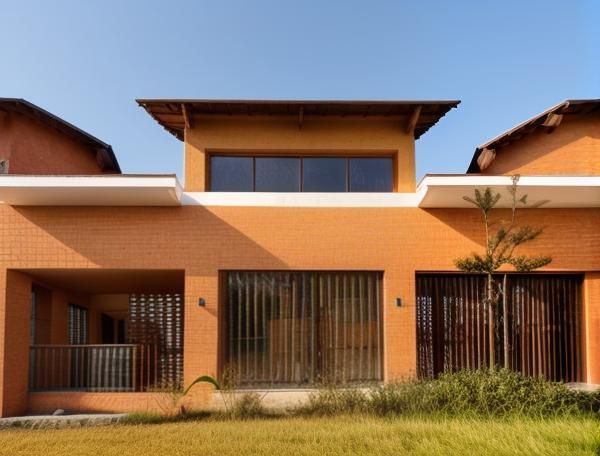
Have you ever stopped to think about how your home accommodates everyone? In the UAE, a melting pot of cultures and diverse needs, building inclusive homes isn’t just a nice-to-have – it’s a necessity. We’re not just talking about ramps and grab bars; we’re diving into how thoughtful design can transform a house into a truly comfortable and welcoming home for everyone.
Introduction: Why Accessibility Matters in UAE Homes
Beyond Compliance: Creating Comfortable Living
Let’s be real – accessibility shouldn’t be a checklist item. It’s about crafting spaces where everyone, regardless of age or ability, feels at home. Imagine a space where your grandparents, your child with special needs, and your guests all move with ease. That’s the kind of comfort we’re aiming for.
Understanding Diverse Needs in the UAE
The UAE is a vibrant mosaic of people. From elderly residents to individuals with physical disabilities, sensory impairments, and temporary injuries, our homes need to cater to a wide range of needs. Understanding this diversity is the first step towards building inclusive spaces.
Key Principles of Accessible Home Design
Universal Design: A Foundation for Inclusivity
Universal design is like that magic ingredient that makes everything better. It’s about creating spaces that are usable by everyone, to the greatest extent possible, without the need for adaptation or specialized design. Think of it as designing for the widest range of users from the start.
Adaptability and Flexibility: Future-Proofing Your Home
Life changes, right? Our homes should too. Designing for adaptability means creating spaces that can evolve with our needs. Flexible layouts, modular components, and adaptable fixtures can make a huge difference.
Addressing Mobility Challenges in Home Design
Smooth Transitions: Eliminating Steps and Thresholds
Have you ever tripped over a tiny threshold? Imagine doing that with a walker or wheelchair. Smooth, level transitions are crucial for safe and easy movement.
Wider Doorways and Hallways: Navigating with Ease
Picture trying to maneuver a wheelchair through a narrow doorway. Wider doorways and hallways provide ample space for everyone to move comfortably.
Ramp and Lift Solutions: Overcoming Vertical Barriers
Stairs can be a major obstacle. Ramps and lifts provide safe and convenient alternatives, ensuring everyone can access all levels of the home.
Designing Accessible Bathrooms and Kitchens
Roll-In Showers and Grab Bars: Safety and Independence
Bathrooms can be tricky. Roll-in showers eliminate the need to step over a curb, and grab bars provide essential support. These features enhance safety and independence.
Adjustable Countertops and Sinks: Customizing for Comfort
Imagine a kitchen where countertops and sinks can be adjusted to different heights. This flexibility makes cooking and cleaning accessible for everyone.
Accessible Storage and Appliances: Reaching with Ease
Reaching for items in high cabinets or bending down to access low drawers can be challenging. Accessible storage solutions and easy-to-reach appliances make daily tasks easier.
Sensory Considerations in Home Design
Lighting for Visual Impairment: Brightness and Contrast
Good lighting isn’t just about making a room bright. It’s about providing adequate brightness and contrast for individuals with visual impairments.
Acoustic Design: Reducing Noise and Echoes
Ever been in a room with terrible acoustics? It’s frustrating. Acoustic design minimizes noise and echoes, creating a more comfortable environment.
Tactile Elements: Guiding and Informing
Tactile elements, like textured surfaces and raised lettering, provide essential cues for individuals with visual impairments.
Integrating Smart Home Technology for Accessibility
Voice-Activated Controls: Hands-Free Living
Imagine controlling your lights, thermostat, and appliances with just your voice. Smart home technology makes this a reality, offering hands-free convenience.
Automated Lighting and Temperature: Comfort at Your Fingertips
Automated systems can adjust lighting and temperature based on your preferences, ensuring optimal comfort.
Remote Monitoring and Assistance: Peace of Mind
Remote monitoring systems allow caregivers to check in on loved ones, providing peace of mind and enhancing safety.
The Role of Materials and Finishes in Accessibility
Slip-Resistant Flooring: Preventing Falls
Falls are a major concern, especially for older adults. Slip-resistant flooring provides a safer surface, reducing the risk of accidents.
Easy-Grip Hardware: Enhancing Usability
Door handles, faucets, and other hardware should be easy to grip and use. This simple change can make a big difference.
Contrasting Colors and Textures: Visual Cues
Contrasting colors and textures provide visual cues, helping individuals with visual impairments navigate their homes.
Legal and Regulatory Frameworks for Accessibility in the UAE
Compliance with Building Codes and Standards
The UAE has building codes and standards that address accessibility. Understanding and complying with these regulations is essential.
Understanding Rights and Responsibilities
Homeowners and developers have rights and responsibilities when it comes to accessibility. Knowing these rights helps ensure everyone is treated fairly.
The Economic and Social Benefits of Accessible Homes
Enhancing Property Value and Marketability
Accessible homes are more desirable, increasing property value and marketability.
Fostering Community Inclusion and Wellbeing
Accessible homes contribute to a more inclusive community, promoting wellbeing and social connection.
Overcoming Common Challenges in Implementing Accessible Design
Budgeting for Accessibility Features
Accessibility features don’t have to break the bank. Planning ahead and prioritizing key areas can help manage costs.
Finding Qualified Designers and Contractors
Finding professionals with expertise in accessible design is crucial. Seek out designers and contractors with experience in this field.
Case Studies: Successful Accessible Home Projects in the UAE
Showcasing Innovative Design Solutions
Let’s look at some real-life examples of accessible homes in the UAE. These case studies highlight innovative design solutions.
Highlighting Positive Impacts on Residents
These projects demonstrate the positive impact of accessible design on residents’ lives, showcasing how thoughtful planning can transform a home.
Future Trends in Accessible Home Design in the UAE
Sustainable and Eco-Friendly Accessibility
Imagine homes that are not only accessible but also sustainable. Future trends point towards integrating eco-friendly materials and energy-efficient solutions into accessible designs.
Personalized and Customizable Solutions
One size doesn’t fit all. Future homes will offer personalized and customizable solutions that cater to individual needs and preferences.
Tips for Homeowners: Making Your Existing Home More Accessible
Simple and Cost-Effective Modifications
You don’t need a complete renovation to make your home more accessible. Simple changes like adding grab bars, improving lighting, and rearranging furniture can make a big difference.
Prioritizing Key Areas for Improvement
Focus on areas that are most used or pose the greatest challenges, such as bathrooms, entrances, and kitchens.
Conclusion: Building a More Inclusive Future in the UAE
Building accessible homes in the UAE is more than just a design trend; it’s a commitment to creating a more inclusive and equitable society. By understanding diverse needs, implementing universal design principles, and leveraging innovative technologies, we can transform houses into homes where everyone feels welcome and comfortable. Let’s work together to build a future where accessibility is the norm, not the exception.
FAQs About Accessibility in Home Design in the UAE
1. What is universal design, and why is it important?
Universal design is the process of creating products and environments that are usable by all people, to the greatest extent possible, without the need for adaptation or specialized design. It’s important because it ensures that everyone, regardless of age or ability, can access and use spaces and products comfortably and independently.
2. How can I make my existing home more accessible without a major renovation?
Simple modifications like adding grab bars in bathrooms, installing brighter lighting, removing tripping hazards, and rearranging furniture can significantly improve accessibility. Focus on areas that are frequently used or pose challenges, such as entrances, bathrooms, and kitchens.
3. What are some key features to consider when designing an accessible bathroom?
Key features include roll-in showers, grab bars, adjustable showerheads, comfort-height toilets, and accessible sinks. Ensure there is enough space for maneuverability,