
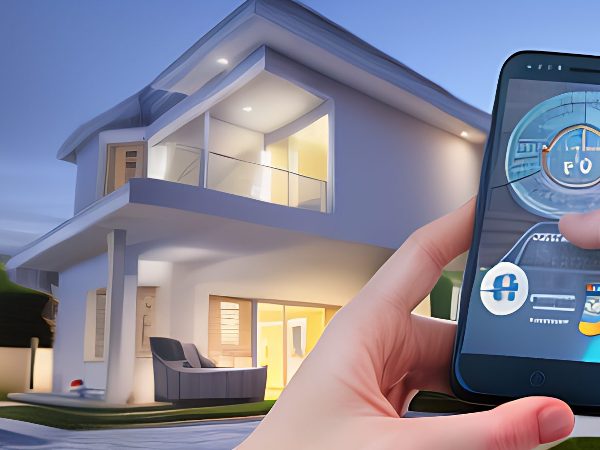
Understanding Smart Home Technology
What is a Smart Home?
A smart home is a residence that utilizes technology to automate various functions and systems. This automation is achieved through interconnected devices that can be controlled remotely, often through voice commands or a smartphone app.
Core Components of a Smart Home
To create a functional smart home, you’ll need a few key components:
Smart Home Hubs
A smart home hub serves as the central nervous system of your smart home. It connects all your devices and allows you to control them from a single interface. Popular options include:
- Amazon Echo
- Google Home
- Samsung SmartThings
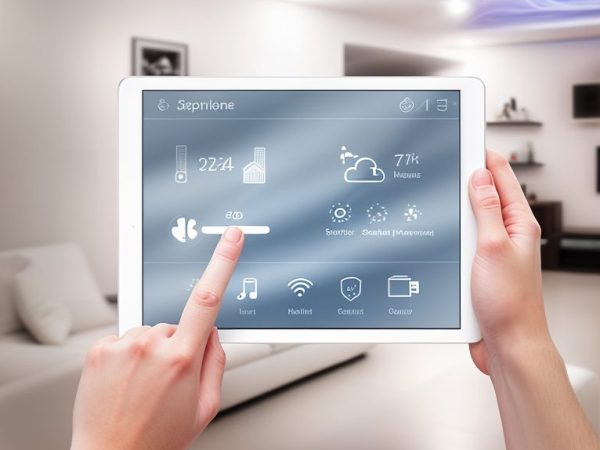
Smart Home Devices
The fun part of a smart home lies in the diverse range of devices you can integrate:
- Smart Lighting: Control your lights’ brightness and color temperature to set the mood.
- Smart Thermostats: Optimize energy consumption by automating temperature settings.
- Smart Security Systems: Safeguard your home with remote monitoring, video surveillance, and alarm systems.
- Smart Home Appliances: Enjoy the convenience of remotely controlling your washing machine, dishwasher, or oven.
Benefits of a Smart Home in the UAE
A smart home offers numerous advantages tailored to the unique climate and lifestyle in the UAE:
Enhanced Comfort and Convenience
- Climate Control: Automatically adjust your home’s temperature to your preference.
- Remote Access: Control your home’s systems from anywhere in the world.
- Voice Control: Use voice commands to effortlessly operate devices.
Increased Energy Efficiency
- Smart Thermostats: Optimize energy usage by adjusting temperatures based on occupancy and weather conditions.
- Smart Lighting: Reduce energy consumption by automating lighting schedules.
Improved Home Security
- Remote Monitoring: Keep an eye on your home through live video feeds.
- Smart Locks: Grant access to visitors remotely.
- Alarm Systems: Receive alerts and notifications in case of intrusions.
Future-Proof Your Home
- Scalability: Easily add new devices to your smart home system as technology advances.
- Integration: Seamlessly connect your smart home with other IoT devices.

How to Integrate Smart Home Technology
Start Small
Begin by choosing a few essential devices like smart lights or a smart thermostat. This will help you get familiar with the technology and its benefits.
Choose a Reliable Smart Home System
Select a compatible smart home system that aligns with your needs and budget. Consider factors like device compatibility, ease of use, and future scalability.
Consider Professional Installation
For complex installations or to ensure seamless integration, hiring a professional installer can be beneficial.
Voice Control and Automation
Leverage voice assistants like Amazon Alexa or Google Assistant to control your smart home devices hands-free. Create custom routines and schedules to automate tasks.
Future-Proofing Your Smart Home
- Stay Updated: Keep your devices and software up-to-date to benefit from the latest features and security patches.
- Choose Compatible Devices: Opt for devices that are compatible with industry standards like Zigbee or Z-Wave.
- Consider Future Expansions: Plan for potential additions to your smart home system.
Challenges and Considerations
While smart homes offer numerous benefits, it’s essential to be aware of potential challenges:
Initial Investment
Setting up a smart home requires an initial investment, but the long-term savings and convenience often outweigh the costs.
Technical Complexity
Integrating various devices and configuring them can be technically demanding for some users.
Privacy Concerns
Be mindful of privacy implications and take steps to protect your data.
Cybersecurity Risks
Ensure your smart home system is secure by using strong passwords, updating software regularly, and being cautious about network vulnerabilities.
The Future of Smart Homes in the UAE
The future of smart homes in the UAE is promising, with several exciting trends on the horizon:
Emerging Trends
- AI Integration: Enhanced intelligence and personalized experiences.
- Biometric Security: Advanced security measures using fingerprint or facial recognition.
- Energy Efficiency: Innovative solutions to optimize energy consumption.
Government Initiatives
The UAE government is actively promoting smart city initiatives, which will further drive the adoption of smart home technology.
Conclusion
By integrating smart home technology, you can transform your UAE home into a more comfortable, efficient, and secure living space. Embrace the future of home automation and enjoy the numerous benefits it offers.
FAQs
-
What is the best smart home system for UAE homes? The best smart home system for you depends on your specific needs and budget. Popular options include Amazon Alexa, Google Home, and Samsung SmartThings. Consider factors like device compatibility, ease of use, and voice control capabilities.
-
How much does it cost to set up a smart home? The cost of setting up a smart home varies depending on the number and type of devices you choose. Starting with a few basic devices can be relatively affordable, while a fully integrated system may require a significant investment.
-
Is a smart home safe and secure? Yes, a smart home can be safe and secure if you take appropriate measures. Use strong passwords, enable two-factor authentication, and keep your software and firmware up-to-date. Consider investing in advanced security features like smart locks and security cameras.
-
Can I control my smart home remotely? Absolutely! Most smart home systems allow you to control your devices remotely using a smartphone app or voice commands. This provides convenience and peace of mind, especially when you’re away from home.
-
What are the energy-saving benefits of a smart home? Smart homes offer several energy-saving benefits:
- Smart Thermostats: Optimize temperature settings based on occupancy and weather conditions.
- Smart Lighting: Automate lighting schedules and adjust brightness to reduce energy consumption.
- Energy-Efficient Appliances: Choose energy-efficient appliances that can be controlled remotely.